A clean home,
without
the weekend.
Local, family-run cleaning across Tampa, St. Pete, Clearwater, and Jacksonville. Standard upkeep, deep resets, move-in/out, and Airbnb turnovers — booked in two minutes, paid only after you're happy.


Pick the cleaning that fits
your week.
Same vetted team, four flavors. Recurring discounts on weekly, biweekly, and monthly plans. Eco-friendly, plant-based supplies available on request.

Standard Home Cleaning
Recurring upkeep — dust, vacuum, mop, sanitize kitchens & baths. The keep-it-tidy plan.
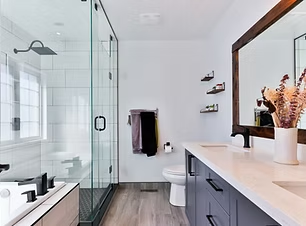
Deep Home Cleaning
Baseboards, fixtures, the corners that get skipped. The seasonal reset — perfect once or twice a year.
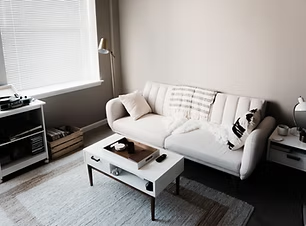
Move In / Out
Inside appliances, cabinets, closets — top to bottom. Ready for the next chapter.
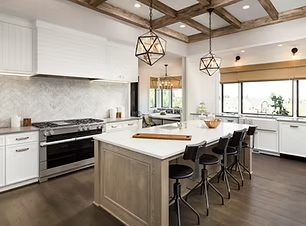
Airbnb Turnover
Linen change, laundry, glass, restock — between guests, on time, every time.
See what 4 hours
can do.
Real client homes — drag the slider to compare. We don't stage and we don't tidy in advance. The room you walk into is the one we leave looking new.
"Everything was spotless and exceeded my expectations. Professional, reliable, and incredibly thorough."
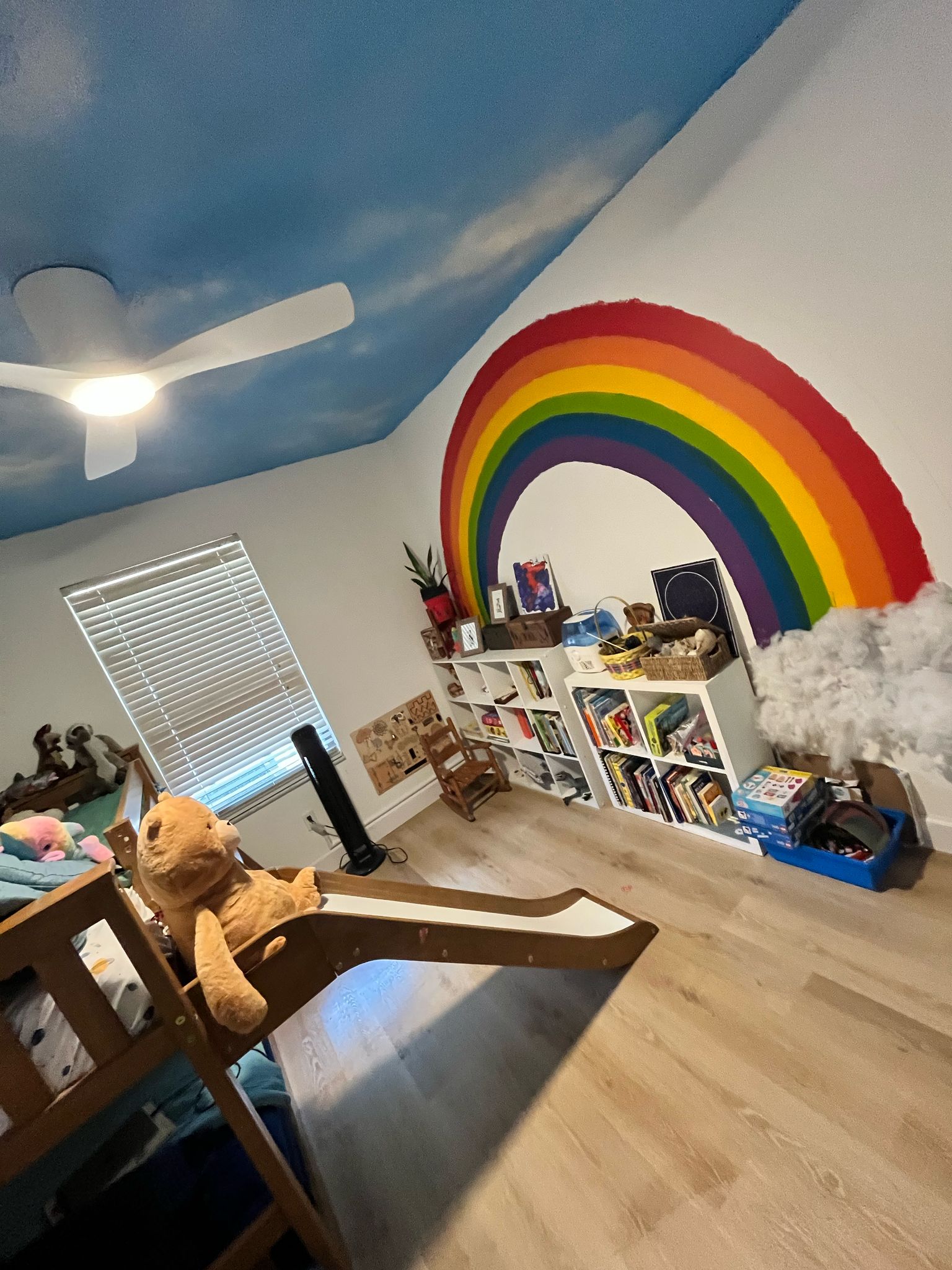 After · child's room · clean
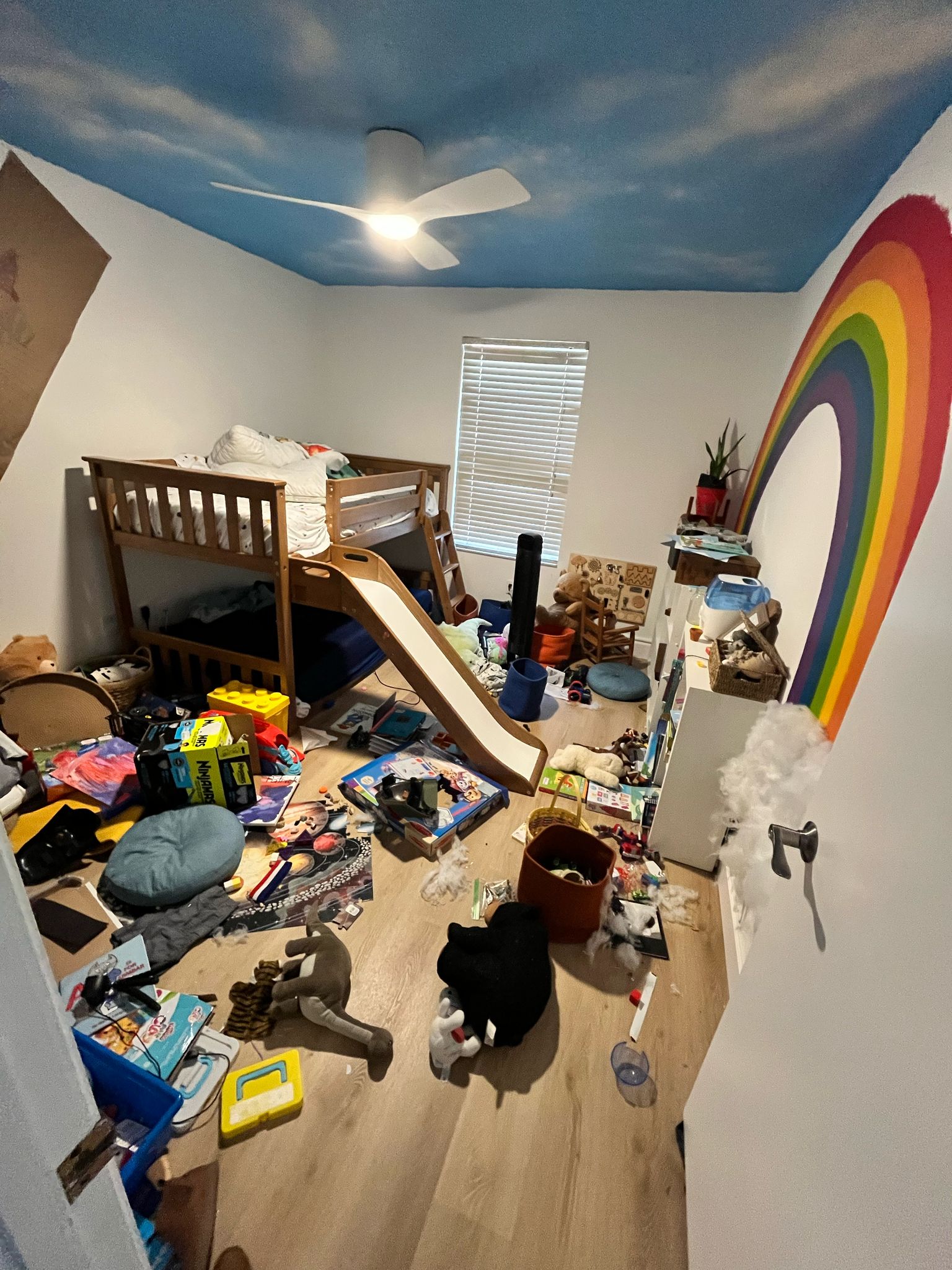 Before · child's room · cluttered
Four steps to a clean home.
Call or Request
Submit a request or call to connect with your local Spotless Homes team.
Get a Quote
We confirm the details and send a personalized estimate — no surprise fees.
Schedule a Clean
Pick the date and time that fits your life. We'll send a reminder the day before.
Check & Pay
Walk through with us. Pay only once you're fully satisfied with the result.
Add-ons for the deep stuff.
Available with any cleaning. Just check the box during booking.







A family business,
cleaning family homes.
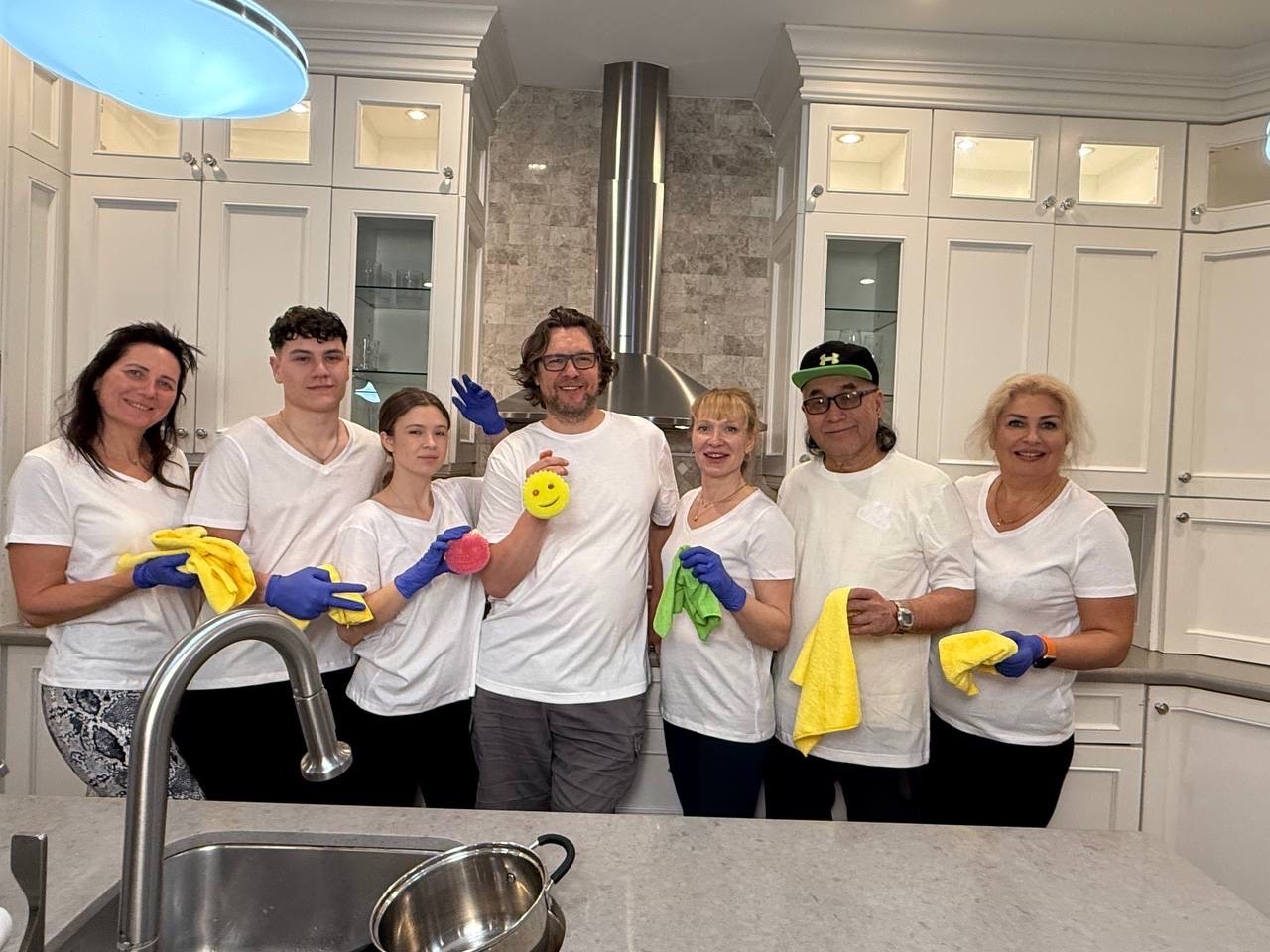
We started Spotless Homes in 2018 because we couldn't find a cleaning service we'd want for our own house. We hire carefully, train thoroughly, insure fully, and treat every home like the one we'd want to come home to.
All across Florida.
Eight metros, one local team in each. Don't see your city? Call us — we're growing.
See all areas →5.0★ across 71+ reviews.
"Great service, very punctual and thorough."
""
"Great job from Katerina"
""
"Tatiana was a delight! Very friendly and a hard worker! Was very comfortable with my dog in the house with me also!"
"Katarina did an amazing job with my deep cleaning."