Common Bathroom Cleaning Mistakes to Avoid for a Sparkling Finish
Cleaning a bathroom might seem straightforward, but many people unknowingly make mistakes that reduce the effectiveness of their efforts. These errors can leave surfaces dull, damage fixtures, or even create health risks. Knowing what not to do when cleaning a bathroom helps you save time, protect your bathroom’s materials, and achieve a truly sparkling finish.
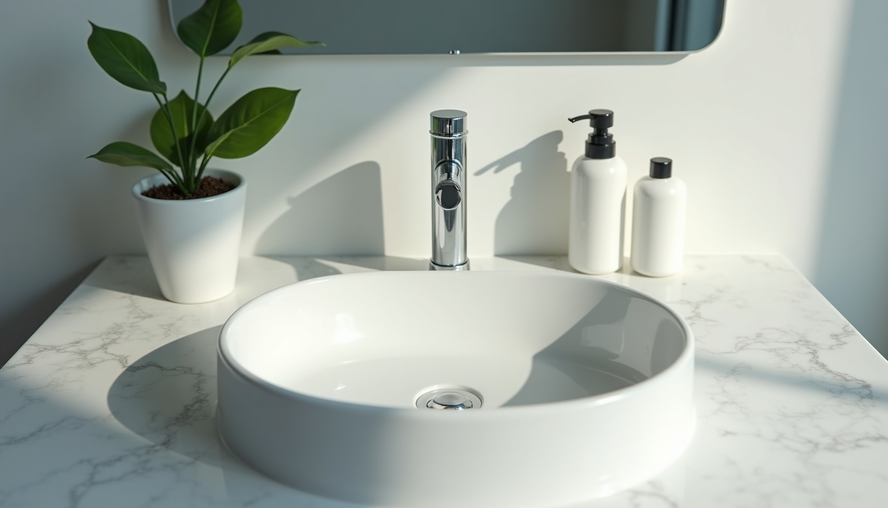
A spotless bathroom sink and mirror reflecting light, showing a well-cleaned space
Using Harsh Chemicals on Delicate Surfaces
One common mistake is using strong, abrasive cleaners on surfaces that require gentle care. For example, natural stone countertops like marble or granite can etch or discolor if you use acidic cleaners such as vinegar or bleach. Instead, use pH-neutral cleaners specifically designed for stone surfaces.
Similarly, avoid bleach on colored grout or painted walls, as it can cause fading or damage. Always check product labels and test cleaners on a small, hidden area before applying them widely.
Ignoring Manufacturer Instructions on Cleaning Products
Many bathroom fixtures and appliances come with cleaning guidelines. Ignoring these instructions can void warranties or cause damage. For instance, some showerheads have delicate finishes that harsh scrubbing or chemical exposure can ruin.
Take time to read manuals or product tags. Using recommended cleaning methods ensures longevity and keeps your bathroom looking new.
Using the Same Cloth or Sponge for Everything
Cross-contamination is a risk when you use one cloth or sponge for all bathroom surfaces. Germs from the toilet area can easily spread to the sink or countertop. To avoid this, use separate cleaning tools for different zones:
-
One cloth for the toilet and surrounding area
-
Another for the sink and countertop
-
A different sponge or brush for the bathtub or shower
Replace or sanitize cloths regularly to prevent bacteria buildup.
Skipping Regular Cleaning of Bathroom Tools
Cleaning tools like brushes, mops, and sponges often get overlooked. Dirty tools can reintroduce grime and bacteria back onto surfaces. After each use, rinse cleaning tools thoroughly and let them dry completely. Replace sponges and cloths every few weeks or when they start to smell or fall apart.
Not Ventilating the Bathroom During and After Cleaning
Bathrooms are humid spaces, and cleaning products often release fumes. Failing to ventilate properly can cause respiratory irritation and slow drying times, which encourages mold growth. Open windows or turn on exhaust fans while cleaning and for at least 30 minutes afterward to keep air fresh and surfaces dry.
Overusing Cleaning Products
More is not always better. Using excessive amounts of cleaner can leave residue that attracts dirt and makes surfaces sticky. Follow the recommended amounts on product labels. Often, a small amount of cleaner with proper scrubbing is enough to get surfaces spotless.
Neglecting Hard-to-Reach Areas
Mold and grime often hide in corners, behind the toilet, under the sink, and around faucet bases. Skipping these spots means dirt accumulates and spreads. Use small brushes or old toothbrushes to reach tight spaces. Regularly clean these areas to maintain overall bathroom hygiene.
Using Abrasive Tools on Sensitive Fixtures
Scrubbing pads or steel wool can scratch chrome, porcelain, or glass surfaces. Instead, use soft microfiber cloths or non-scratch sponges. For tough stains, soak the area with a cleaner and let it sit before gently wiping. This approach protects finishes and keeps fixtures shiny.
Cleaning the Toilet Last
Many people clean the toilet first, then move on to other areas. This can spread germs through the air or on cleaning tools. Clean the toilet last to avoid contaminating other surfaces. Also, always wash your hands thoroughly after toilet cleaning.
Forgetting to Clean Shower Curtains and Liners
Shower curtains and liners collect soap scum and mildew but are often forgotten. Regularly wash fabric curtains according to care instructions. For plastic liners, wipe them down weekly or replace them every few months to prevent mold buildup.
Using Dirty Water for Cleaning
Rinsing your mop or cloth in dirty water spreads grime instead of removing it. Change water frequently during cleaning sessions. This simple step improves cleaning efficiency and prevents re-depositing dirt on surfaces.